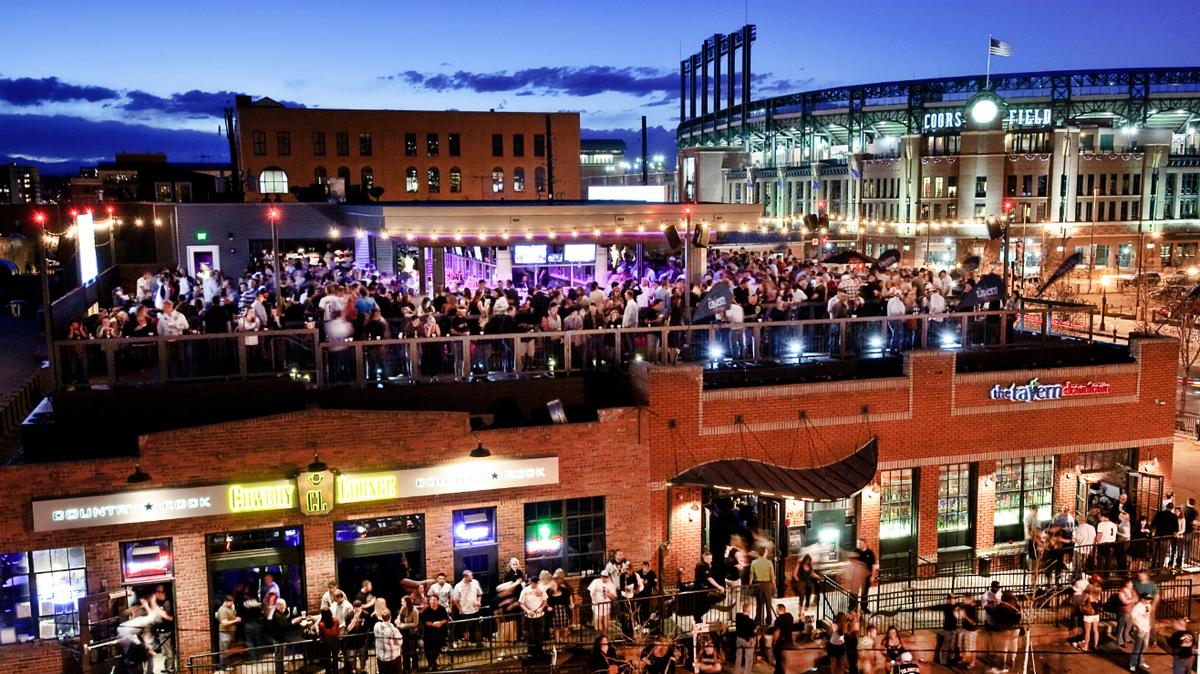
For the first time since the 1980s, Denver is undertaking a sweeping revision of its entertainment venue licensing rules. The proposed changes aim to streamline a complex, outdated system, but they have sparked concerns from local nightlife advocates who fear the new regulations could inadvertently harm the grassroots music ecosystem that gives the city its cultural heartbeat.
The Westword Denver recently published an article about this new change…Here is our take.
In a move designed to cut red tape and modernize how Denver licenses everything from dive bars to major nightclubs, the city’s Department of Licensing and Consumer Protection (DLCP) has released the first draft of an “entertainment omnibus bill” known as Council Bill No. CB26. This legislation seeks to replace a labyrinthine system of 14 distinct license types with a simpler, three-tiered structure. While city officials, led by DLCP Executive Director Molly Duplechian, tout the plan as a way to make it “simpler and easier” for entrepreneurs to navigate the licensing process, a leading nightlife advocacy group has responded with a detailed 6,000-word critique. The organization, ONE Denver, warns that vague language in the draft could create new barriers for the very venues, coffee shops, art galleries, and small cultural spaces, that are the lifeblood of the local music scene.
Background: Why Now?
The current licensing framework, largely unchanged for four decades, has become a patchwork of regulations that can trip up even experienced venue operators. The existing system forces businesses into one of two main categories: “cabaret” licenses for places that serve liquor and “amusement” licenses for those that don’t. Between them, there are over a dozen subtypes, creating a confusing maze for anyone trying to open a new establishment. This complexity comes at a time when the economic headwinds facing independent venues are already fierce, as evidenced by the recent closure of longstanding spots like the Wild Goose Saloon.
Against this backdrop, the DLCP initiated the current reform process last year, culminating in the release of the draft ordinance for public review.
Key Proposed Changes
The centerpiece of the proposed overhaul is a drastic consolidation of license types. Instead of fourteen different permits, the draft ordinance outlines just three:
- Limited Entertainment License: This would be a new, broader category covering a wide range of lower-impact activities.
- Nightclub License: A more stringent category for larger venues with late-night operations.
- Adult Entertainment License: A separate category for adult-oriented businesses.
Beyond this restructuring, the proposal includes several other significant changes:
- Deregulation of Low-Impact Activities: In a major win for small businesses, the draft eliminates the need for an entertainment license for many common activities. Venues hosting unamplified solo performers, a coffee shop with an occasional acoustic guitar player, or bars running trivia and bingo nights would no longer require a special permit.
- Defining a “Nightclub”: The proposal creates a formal definition for a “nightclub” as a venue that operates after 10:00 p.m., hosts live entertainment, and has an occupancy of over 100 people. Establishments that meet all three criteria would be subject to additional requirements, such as hiring security and implementing weapons screenings.
- Fee and Application Updates: The ordinance would also modernize the application process and update the associated fees.
Industry Concerns: The Devil in the Details
Despite the city’s intentions, ONE Denver, a nonprofit serving as a liaison between the nightlife industry and city agencies, has raised several red flags in a comprehensive public critique. While the organization’s Executive Director, Stephen Brackett (a founding member of the band Flobots), applauds the city’s effort to address the issue, he and his team argue the current draft lacks the necessary specificity and could have unintended consequences.
- Vague Definitions Could Expand Licensing: The most significant concern revolves around the definition of what constitutes “amplified music.” Brackett points out that while the new rules are intended to exempt art galleries, coffee shops, and spaces hosting occasional open mics, the broad language might inadvertently pull them into the licensing net. “There are very few places where you would have people coming together to hear music that wouldn’t be amplified,” Brackett noted, adding that this could “accidentally bring in a whole lot of places being required to get limited entertainment licenses.”
- The “Quasi-Defined” Space: ONE Denver’s analysis warns that the current draft may leave certain cultural spaces in a legal gray area, making it unclear whether they can operate without a license. This uncertainty could stifle the very “entry-level opportunities for new musicians” that are essential to Denver’s music ecosystem.
- Broad Definition of Nightclub: Alex Berryhill, ONE Denver’s Director of Marketing, expressed concern that the proposed definition of a “nightclub” is too broad. He suggests that some smaller venues that happen to host a show after 10 p.m. and have a capacity over 100 people might be unfairly saddled with costly security mandates designed for larger, higher-risk clubs.
Timeline and Next Steps
The public comment period for the draft ordinance is now open. The DLCP has scheduled two virtual listening sessions and is collecting feedback via an online survey. The department aims to bring a refined version of the bill to a Denver City Council committee in June, with the goal of finalizing the rules in the second half of 2026 and implementing the new system by early 2027. To ease the transition, the city plans to phase in the new licenses as existing permits come up for renewal, rather than forcing a single, disruptive relicensing event.
The coming months will be critical as city officials and industry stakeholders like ONE Denver work to refine the proposal. The outcome will shape the future of Denver’s nightlife and its ability to foster the next generation of local musicians and cultural entrepreneurs.
This aggregate piece is based on the Westword article by Michael Roberts.
Discover more from Color Coded Magazine
Subscribe to get the latest posts sent to your email.